Botanical Flower Letter H: A Designer’s Stitch Review
When evaluating a new machine embroidery design for professional or commercial use, I look beyond the digital preview. As a designer who regularly creates custom apparel and personalized goods for clients, I need to know how a file translates from screen to fabric. The Botanical Flower Letter - H caught my attention as a potential staple for monograms that require a softer, more organic aesthetic than traditional block lettering. After reviewing this digital embroidery file, here is my practical assessment of how it performs in real-world embroidery projects.
First Impressions: Balancing Structure and Organic Flow
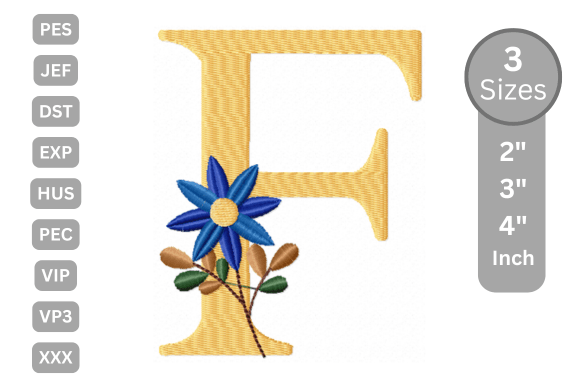
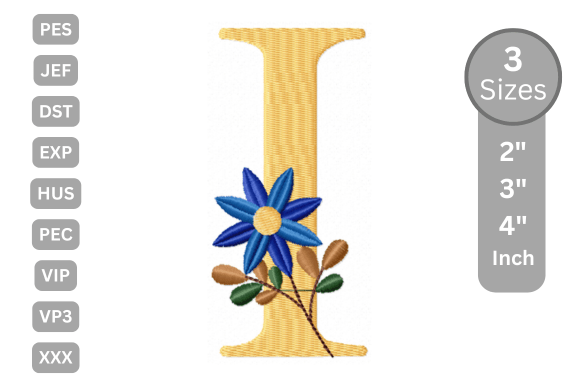
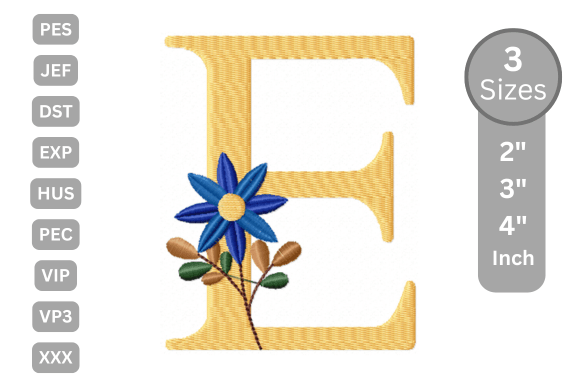
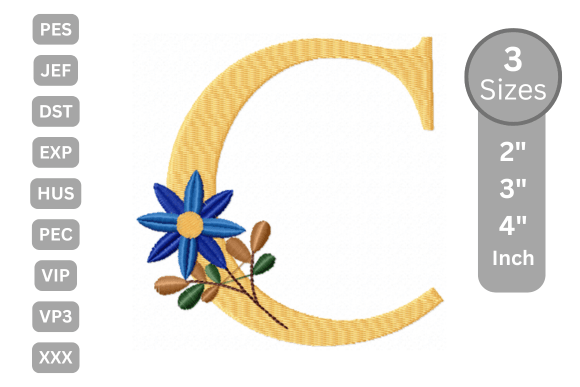
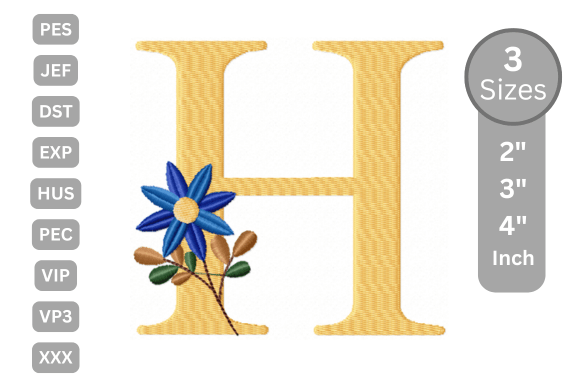
The immediate appeal of the Botanical Flower Letter - H lies in its successful marriage of typographic structure and natural whimsy. Many floral alphabet designs suffer from being either too rigid or so overgrown that the letter becomes illegible. This design strikes a confident balance. The serif base provides necessary readability, which is crucial when selling a personalized gift where clarity matters. The botanical accent does not overwhelm the character; instead, it frames it.
From a design asset perspective, this visual personality suggests versatility. It feels appropriate for a high-end handmade product rather than a generic craft fair item. The mood is elegant yet approachable, making it a strong candidate for both adult sweatshirt embroidery and delicate baby embroidery. When I visualize this on a printable mockup, it communicates value and intentionality, two traits that drive buyer engagement for Etsy sellers and boutique owners.
Real-World Application: The Linen Tote Bag Test
To truly judge this embroidery file, I mentally placed it in a specific production scenario: a custom monogrammed linen tote bag intended as a bridal party gift. Linen is a textured fabric that can be unforgiving with overly dense designs or tiny details. The Botanical Flower Letter - H appears well-suited for this application because the serif strokes likely utilize a clean satin stitch or light fill stitch that won't cause puckering on natural fibers.
In this context, the floral element acts as a premium detail that elevates the perceived value of the tote bag design. For a small shop product, this distinction is vital. Customers are often willing to pay more for commercial embroidery that looks bespoke rather than mass-produced. However, I would advise checking the stitch density specifically for linen. If the botanical accents are too dense, they could create a stiff spot on the bag. Testing on scrap fabric with the appropriate stabilizer is non-negotiable here to ensure the drape of the linen remains natural.
Fabric Considerations and Technical Caution Zones
While this design has broad appeal, it requires strategic placement depending on the substrate. Not every embroidery project is created equal, and understanding where this design might fail is as important as knowing where it succeeds.
- Stretchy Fabrics: If applying this to a ribbed knit or performance wear for custom apparel, verify the hoop size and stabilization method. Serif letters with floral extensions can distort if the fabric shifts during stitching. A cut-away stabilizer is usually mandatory here.
- Textured Surfaces: On terry cloth towels or fleece blankets, fine running stitch details in the botanical accent may get lost. You may need to add an underlay or slightly increase the column width in your software before stitching.
- Curved Items: Be cautious when using this on caps. The vertical height of a serif H combined with top-heavy florals can be difficult to center on a curved brim without distortion. Flat embroidered patch applications are safer for headwear.
- Dark Fabrics: Ensure thread colors provide sufficient contrast. Intricate floral details in dark green thread on navy fabric will disappear in photos and in person. Lighter thread tones or metallic accents often work better for dark backgrounds.
Commercial Viability for Makers and Sellers
For creative entrepreneurs and craft business owners, time is money. A design that requires constant troubleshooting eats into profit margins. The Botanical Flower Letter - H seems optimized for efficient production, provided you respect its technical limits. Its stylistic consistency makes it excellent for building brand recognition. If you offer a full alphabet series in this style, customers are more likely to return for matching items, creating cohesive design assets for your shop.
However, before listing any finished product for sale, confirm the licensing terms of this digital embroidery file. Some designers restrict commercial use or limit the number of physical items you can sell. Always verify whether the license covers both physical goods and digital previews. Using unlicensed files for commercial embroidery risks legal issues and damages customer trust. Additionally, check if the file includes multiple formats to ensure compatibility with your specific machine brand.
Essential Pre-Stitch Checklist for Professionals
Even the most beautiful applique design or monogram can fail without proper preparation. Based on my experience with similar botanical typography, follow these steps before committing to a final run:
- Audit the File: Open the Botanical Flower Letter - H in your editing software. Check the exact dimensions against your available hoop size. Do not assume the stated size fits your specific hoop's safe stitch area.
- Test Stitch Density: Run a test on the actual fabric you intend to use. Feel the back of the sample. If it is bulletproof stiff, reduce density or change the fill type. Comfort is key for baby embroidery and wearable custom apparel.
- Evaluate Thread Contrast: View your thread colors in natural lighting. Digital screens are deceptive. What looks distinct on a monitor may blend together on fabric.
- Mockup Validation: Create a realistic printable mockup to show clients. This manages expectations regarding size and placement, reducing revision requests.
- Wash Test: If producing holiday embroidery or kitchen textiles that will face frequent laundering, wash and dry your test swatch. Botanical details with loose running stitches can snag or unravel if not secured properly.
Final Verdict on Design Utility
The Botanical Flower Letter - H represents a thoughtful addition to a professional embroiderer's library. It avoids the trap of being overly trendy while offering enough unique character to stand out in a saturated market. Its strength lies in its adaptability across categories, from nursery decor to bridal accessories. By treating this machine embroidery design with technical respect and testing it thoroughly against your specific materials, it can become a reliable revenue generator. Remember that the quality of your finished product depends not just on the digitizing, but on your judgment as a maker. Use this design to enhance your portfolio, but always let your hands-on testing guide your final production decisions.