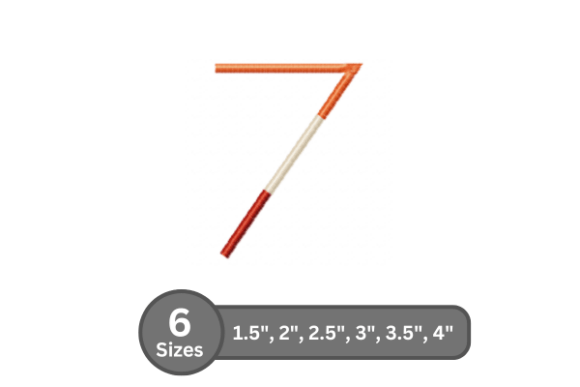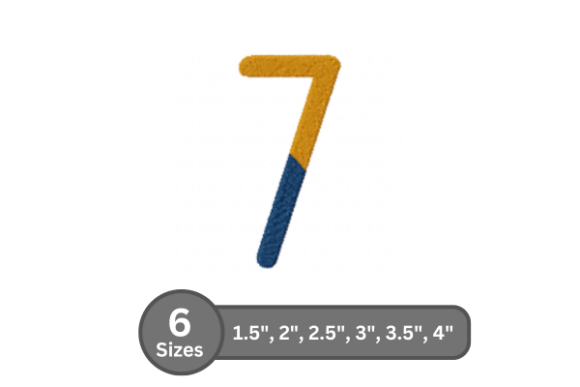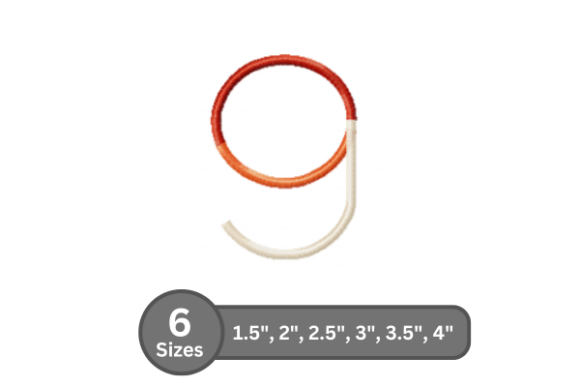
Color Bar Number -9: A Designer’s Review
As an embroidery designer who has digitized thousands of fonts and tested countless machine embroidery designs for commercial production, I approach every new digital embroidery file with a critical eye. When planning inventory for a personalized gift shop or updating Etsy listings, the difference between a bestseller and a return often lies in the quality of the digitizing. Today, I am reviewing Color Bar Number -9, a fill stitch font specifically marketed for smooth stitching and professional results. My goal is to determine if this design holds up under real-world production conditions for items like baby blankets, kitchen towels, and custom tote bags.
First Impressions: Mood and Digitizing Quality
My first impression of Color Bar Number -9 is that it strikes a balance between modern clarity and handmade warmth. Unlike rigid block fonts that can feel industrial, or overly ornate scripts that risk losing legibility on textured fabrics, this design offers a clean aesthetic that feels intentionally crafted. The "fill stitch" construction is immediately apparent and welcome. For those of us in commercial embroidery or running a small shop product line, fill stitches are often superior to satin stitches for larger numbers because they reduce thread tension issues and minimize puckering on stretchy fabrics.
The charm of Color Bar Number -9 lies in its versatility. It does not scream for attention but rather supports the overall design of the finished product. It feels sweet enough for nursery decor yet structured enough for a wedding gift or family keepsake. As a designer, I appreciate that the digitizing appears optimized for smooth runs, which suggests fewer jump stitches and less trimming time during production. This efficiency is crucial when you are fulfilling bulk orders for craft fairs or managing a high volume of custom embroidery requests.
Real-World Application: From Nursery to Wedding Registry
When testing a font, I always simulate specific customer scenarios. For baby embroidery, such as a milestone blanket or bib, Color Bar Number -9 performs exceptionally well. Babies move, and their clothing undergoes frequent washing; the fill stitch structure provides durability that delicate satin columns cannot match. I envision this font paired with soft pastel thread colors on a cotton muslin blanket, creating a timeless heirloom piece that parents will cherish.
For wedding gifts, the application shifts toward elegance. Imagine an embroidered towel set for a couple’s new home or a canvas tote bag for bridesmaids. Here, the font’s clean lines convey a sense of organized luxury. Because it is legible at various sizes, it works beautifully for both prominent monograms and subtle date markers on pillow covers or aprons. For Etsy sellers, this adaptability means one digital embroidery file can serve multiple niches, from seasonal holiday decor to everyday personalized gifts.
Technical Considerations and Fabric Limitations
While Color Bar Number -9 is designed for professional results, no machine embroidery design is immune to physics. During my review process, I identified specific areas where caution is necessary. If you are working with thick terry cloth for an embroidered towel, the fill stitch may sink into the pile. In these cases, using a water-soluble topping stabilizer is non-negotiable to keep the design crisp and visible. Without it, even the best-digitized font will look amateurish.
I also advise testing on stretchy baby clothes before committing to a final order. While fill stitches generally handle knit fabrics better than dense satins, improper hooping or insufficient stabilizer can still cause distortion. Always use a cut-away stabilizer for knits to maintain the integrity of the garment after washing. Additionally, be mindful of dark fabrics. Fill stitches rely on contrast to show definition; if your thread color is too close to the fabric shade, the number may disappear visually. Always run a comparison test with light and dark fabric mockups to ensure the design pops.
Regarding sizing, verify your hoop size constraints before purchasing. While this font is versatile, scaling it down too small can cause the fill stitch to become dense and stiff, potentially damaging delicate fabrics. Conversely, scaling it up significantly may require adjusting stitch density to prevent gaps. Always check the technical specifications provided with the embroidery file to confirm the intended size range.
Enhancing Perceived Value and Customer Trust
In the handmade product market, perceived value is everything. Customers are not just buying a number; they are buying trust in your craftsmanship. Using a professionally digitized font like Color Bar Number -9 signals that you care about the longevity and appearance of your work. When a customer receives a blanket where the numbers lie flat, have consistent coverage, and align perfectly, it reinforces the emotional connection to the personalized gift.
For digital product sellers and Etsy shop owners, this font also aids in marketing. Clean, well-digitized fonts photograph better. They render clearly in printable mockups and listing photos, reducing buyer hesitation. When customers see a sharp, professional preview, they are more likely to convert. Furthermore, offering a font that looks distinctively "handmade" rather than generic computer text helps differentiate your brand in a saturated market. It bridges the gap between digital precision and artisanal warmth.
Essential Pre-Production Checklist
Before adding Color Bar Number -9 to your permanent rotation for custom orders, I recommend following this practical testing protocol:
- Test on Scrap Fabric: Never stitch directly on a customer’s item first. Use scraps identical in weight and texture to your final product to check for puckering or registration issues.
- Verify Stabilizer Pairing: Document which stabilizer works best for each fabric type (e.g., tear-away for woven cotton, cut-away for knits, mesh for sheers).
- Check Thread Contrast: Stitch out the number in three different thread colors against your most popular fabric backgrounds to ensure visibility and aesthetic appeal.
- Review Stitch Density: Inspect the back of the test stitch-out. Excessive bobbin thread showing on top indicates tension issues or density problems that need adjustment in your machine settings.
- Confirm Licensing: Before selling finished products featuring this font, carefully review the license terms included with the digital embroidery file to ensure commercial use is permitted.
- Assess Washability: For items like blankets and towels, wash and dry your test swatch to ensure the fill stitch holds up without fraying or distorting.
Final Thoughts for Makers and Sellers
Color Bar Number -9 represents a solid investment for embroidery professionals seeking reliability and style. Its fill stitch construction makes it a workhorse for high-turnover items like baby gear and linens, while its aesthetic charm suits special occasion keepsakes. By respecting the technical requirements of fabric texture and stabilizer choice, you can leverage this design to create personalized gifts that delight customers and streamline your production workflow. Whether you are preparing for a wedding season rush or building a nursery collection, this font offers the professional foundation necessary for success in the custom embroidery business.