Coquette Split Bow Applique: A Designer Review
As I prepare my booth inventory for the upcoming weekend craft fair, my primary focus is always on designs that bridge the gap between current trends and timeless handmade appeal. The Coquette Split Bow Applique has been sitting in my digital library, and this week I decided to put it through a rigorous production test. For fellow embroidery business owners and Etsy sellers, you know that a design looking good on a screen is vastly different from how it performs on fabric under the bright lights of a market tent. My evaluation focuses entirely on sellability, production efficiency, and customer reaction at the point of sale.
First Impressions and Market Viability
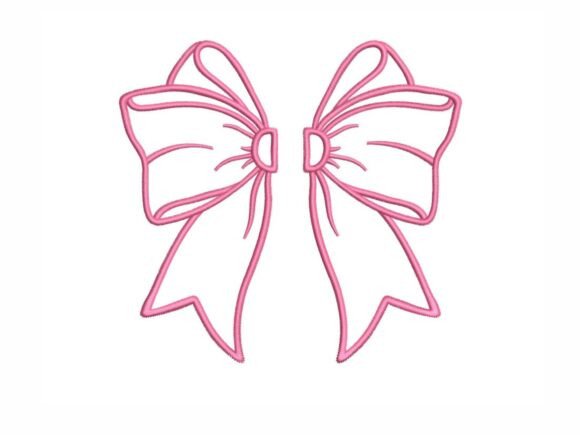
Upon loading the machine embroidery design, the immediate impression is one of soft elegance mixed with modern nostalgia. The coquette aesthetic is currently dominating social media feeds, but as a professional designer, I look past the hype to assess longevity. This split bow feels delicate yet structured. It does not read as cheap or overly juvenile; rather, it possesses a boutique quality that appeals to teens, young adults, and mothers shopping for their children. The "split" aspect of the bow adds necessary visual interest, preventing the applique from looking like a flat, solid block of fabric. For a craft fair product, this distinction matters because texture catches the eye from three feet away.
The design strikes a balance between bold and dainty. It is decorative enough to stand alone on a small accessory but refined enough to serve as an accent next to a monogram. In terms of mood, it leans towards premium and feminine without being cloying. This versatility is exactly what I need when curating a cohesive table display where items must relate to one another while serving different customer demographics.
Product Applications for Craft Fairs and Shops
When planning my production run, I evaluate where a specific embroidery file yields the highest return on time invested. The Coquette Split Bow Applique shows exceptional promise across several key categories for accessories and apparel.
- Tote Bag Design: Canvas totes are a staple for handmade markets. This bow centers beautifully on natural cotton canvas. The contrast between the raw linen texture and the smooth satin stitches of the bow creates a high-perceived value item. It transforms a basic utility bag into a fashion statement.
- Apron Embroidery: For the baking and hosting niche, placing this bow on the bib of a linen apron adds a girly touch that elevates the garment above standard kitchen wear. It pairs exceptionally well with script names, making it a strong candidate for custom orders taken directly at the booth.
- Tea Towel Embroidery: Flour sack towels are high-volume sellers. However, textured terry can be tricky. This design works best on smooth flour sack cotton where the applique edges remain crisp. As a giftable handmade product, a tea towel featuring this bow bundled with a wooden spoon is an easy upsell.
- Embroidered Patch: Given its compact shape, this design is ideal for creating standalone patches. Patches have a low barrier to entry for customers who want the aesthetic without committing to a full garment. They are also excellent for filling gaps in a booth display layout.
- Fabric Pouches and Clutches: Small zipper pouches are perfect for utilizing scrap fabrics. The coquette style aligns perfectly with floral prints and pastel solids often used in these projects. These items serve as lower-priced entry points for new customers discovering your brand.
Production Practicality and Batch Efficiency
A beautiful design is useless if it takes too long to produce during a busy season. From a manufacturing standpoint, the Coquette Split Bow Applique appears optimized for batch production. The split nature of the bow likely reduces overall stitch density compared to a fully filled shape, which means faster run times and less thread consumption. For a small shop product, saving thirty seconds per hoop adds up significantly over a production run of fifty units.
Photographing this design for online listings should be straightforward. The distinct outline ensures clarity in thumbnails, which is vital for mobile shoppers on Etsy. Furthermore, the design’s symmetry makes it forgiving during hooping. Unlike asymmetrical or heavily detailed vintage styles, a centered bow allows for faster alignment, reducing waste and frustration during late-night prep sessions.
Critical Use Notes and Technical Considerations
Despite its charm, there are specific technical constraints to consider before listing this as a commercial embroidery offering. Experienced makers know that assumptions lead to ruined blanks.
- Fabric Texture Sensitivity: While mentioned briefly above, this cannot be overstated. Avoid using this specific applique on high-pile terry cloth or waffle weave unless you use a heavy water-soluble topping. The delicate edges of the coquette bow will get lost in the nap, resulting in a messy finish that devalues the finished product.
- Curved Surfaces: If applying this to caps, proceed with caution. The horizontal span of a split bow can distort on the curved surface of a hat. Always test on a curved cap stabilizer first. Flat brim hats or bucket hats may yield better results than traditional baseball caps.
- Scaling Limitations: Check the minimum size recommendations in your digital embroidery file. Reducing an applique design too much can cause the satin stitch columns to become too narrow, leading to thread breaks or fabric tunneling. If you need a tiny version for baby socks, verify the digitizer has created a specific small-size variant rather than simply shrinking the main file.
- Thread Contrast: The coquette aesthetic relies on subtlety. Using neon or extremely dark threads on light fabric can make the design look harsh. Stick to tonal variations, creams, blushes, and soft browns to maintain the intended vibe. High contrast kills the softness essential to this style.
Designer Best Practices for Success
Before I commit to selling any item featuring the Coquette Split Bow Applique at a market, I follow a strict validation protocol. I strongly advise every Etsy seller and boutique maker to do the same.
Always stitch out a physical sample on the exact material you intend to sell. A printable mockup is useful for listings, but only a real stitch-out reveals tension issues or stabilizer inadequacies. Verify your hoop size compatibility before purchasing; nothing is worse than buying a file that requires a hoop larger than your machine's maximum field. Inspect the spacing between the applique placement line and the tack-down stitch. If the gap is too wide, your fabric might shift, leaving raw edges exposed.
Additionally, confirm the licensing terms included with your purchase. Just because a design is available digitally does not automatically grant unlimited commercial rights for physical goods. Respecting intellectual property protects our community and ensures sustainable business practices. Finally, create at least one "hero" sample for your booth display. Place it at eye level. Watch which items customers touch first. Their hands will tell you more about the design's market fit than any amount of pre-show speculation. By treating the Coquette Split Bow Applique with professional scrutiny rather than just aesthetic appreciation, we turn a trendy motif into a reliable revenue stream for our creative businesses.