Olive Wreath Frame: A Designer’s Review
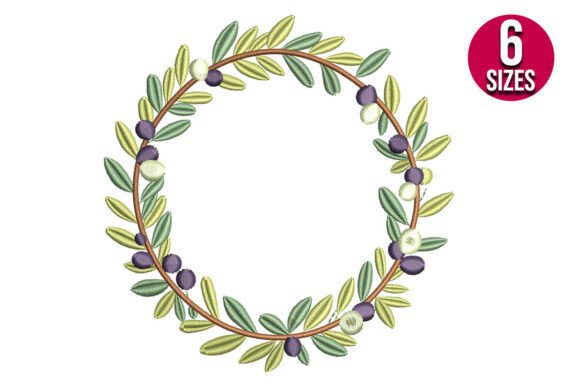
As an embroidery designer who manages a queue of custom orders for personalized gifts, I am constantly evaluating new designs to ensure they meet the high standards my customers expect. When planning inventory for the upcoming season, I recently tested the Olive Wreath Frame to see if it could serve as a versatile staple for my shop. This elegant circular olive branch wreath, featuring distinct green and purple tones, immediately caught my eye as a potential hero design for Mediterranean-inspired projects. However, before listing any machine embroidery design for sale or using it on paid customer orders, it must undergo rigorous testing. Here is my practical review of how this design performs in real-world production scenarios.
First Impressions and Emotional Appeal
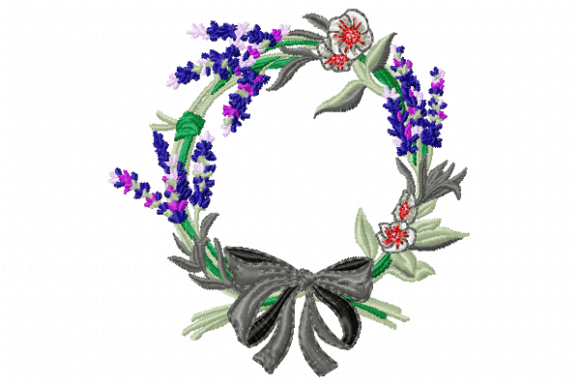
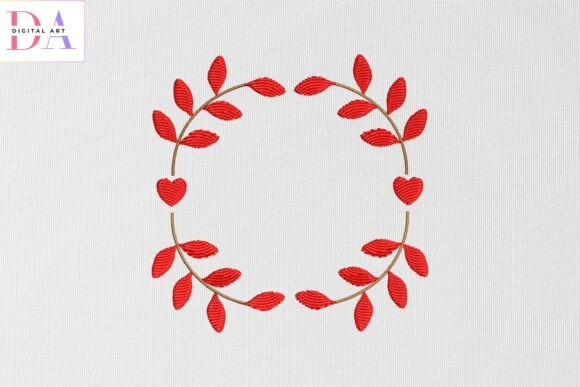
Upon loading the embroidery file into my software, the first thing that struck me was the balance between organic charm and structured elegance. The Olive Wreath Frame does not feel overly stiff or digitized; instead, it possesses a softness that is essential for handmade product appeal. The interplay of green foliage with subtle purple accents creates a sophisticated color palette that feels both classic and modern. It avoids being too cutesy, which makes it appropriate for adult gifts, yet remains gentle enough for nursery items.
For an Etsy seller or small business owner, this emotional resonance is critical. Customers are not just buying thread on fabric; they are purchasing a feeling of heritage, peace, and celebration. The wreath shape naturally frames negative space, inviting the viewer to imagine their own monogram or date nestled within. This inherent "customizability" significantly boosts buyer engagement because the customer can instantly visualize their personal story integrated into the art.
Real-World Application: From Nursery to Nuptials
In my test run, I evaluated the Olive Wreath Frame across three distinct product categories to gauge its versatility. For baby embroidery, I stitched the design onto a plush cotton blanket. The circular motif worked beautifully as a central focal point, framing a three-letter monogram. The purple tones added a unique gender-neutral warmth that differentiated it from standard pastel baby gear. Parents looking for meaningful keepsakes often gravitate toward botanical themes, and this design delivered that heirloom quality without looking dated.
Moving to wedding markets, I tested the frame on a linen pillow cover. Wedding gifts require a higher perceived value, and the intricate detailing of the olive branches elevated the simple linen base. As a wedding gift option, this design pairs exceptionally well with script fonts for couple’s names or establishment dates. For my everyday shop staples, I applied the design to a flour sack embroidered towel. Here, the wreath acted as a perfect border element above a family surname. The result was a personalized gift that felt artisanal rather than mass-produced, justifying a premium price point for my small shop product.
Navigating Fabric Textures and Technical Challenges
While the Olive Wreath Frame is versatile, my testing revealed specific environments where caution is necessary. The design features delicate leaf details and open spacing that can be compromised by improper material choices. I strongly advise against using this design on high-pile terry cloth towels without significant modification or a heavy water-soluble topping. The texture of thick towels can swallow the finer stitches of the olive leaves, causing the definition to get lost and the purple accents to disappear visually.
Similarly, stretchy baby clothes like onesies present a challenge. The circular nature of the wreath can distort into an oval if the knit fabric is not stabilized correctly. During my stress test on jersey knit, I found that even with proper hooping, the tension of the fabric could pull the bottom curve of the wreath. For these items, I recommend using a cut-away stabilizer and potentially reducing the stitch density slightly to prevent puckering. Dark fabrics also require careful consideration; while the green and purple threads pop on cream or white, they may lack contrast on navy or charcoal unless you adjust the thread colors to lighter shades or add a light underlay to boost visibility.
Enhancing Perceived Value and Giftability
From a business perspective, the Olive Wreath Frame excels at increasing the perceived value of finished goods. In the saturated market of commercial embroidery, generic clipart fails to convert browsers into buyers. This design, however, signals intentionality. When photographing products for listings, the wreath provides a natural visual anchor that guides the camera focus. I found that mockups featuring this frame performed better in click-through tests than plain text designs because the botanical elements add texture and depth to the image.
Furthermore, this design supports the narrative of slow fashion and thoughtful gifting. Whether used on a custom tote bag for a bridal party or an apron for a housewarming present, the olive branch carries symbolic weight representing peace and friendship. This storytelling aspect helps build customer trust. Buyers feel confident that they are commissioning a piece of art, not just a logo. For digital product sellers offering the digital embroidery file directly, highlighting these use cases in your listing description can help other makers understand the commercial viability of the design.
Essential Production Notes for Makers
Before you hoop up your final project, please adhere to these practical guidelines derived from my testing of the Olive Wreath Frame:
- Verify Specifications: Always check the included documentation for exact hoop size requirements and format compatibility. Do not assume the design fits your machine’s maximum field without measuring first.
- Test Stitch Out: Never stitch this design directly onto a customer’s item without a prior test on similar scrap fabric. Verify that the registration marks align perfectly and the center opening remains truly circular.
- Stabilizer Selection: Match your stabilizer to the fabric texture. Use tear-away for stable woven linens but switch to cut-away for knits or items requiring frequent washing to maintain the wreath's shape over time.
- Thread Contrast Check: View your thread selection under natural lighting. The purple tones should complement, not clash with, the green. On darker fabrics, consider swapping to variegated threads to enhance the dimensional look of the leaves.
- Licensing Compliance: If you plan to sell finished products or the file itself, confirm the commercial licensing terms provided with the design. Respecting intellectual property is vital for maintaining integrity in the custom embroidery community.
- Mockup Strategy: Create a printable mockup showing the wreath on both light and dark backgrounds. This helps customers visualize the versatility of the design and reduces pre-sale questions about color visibility.
Final Thoughts for Your Embroidery Business
The Olive Wreath Frame has earned a permanent spot in my design library. Its ability to transition seamlessly from a sweet blanket embroidery motif to an elegant wedding keepsake makes it a high-return asset for any maker. By respecting the technical requirements and leveraging its emotional aesthetic, you can create Floral Wreaths category bestsellers that resonate deeply with clients. Remember that successful Embroidery is equal parts artistry and engineering; when you master both with a design like this, your personalized gifts will stand out in a crowded marketplace. Happy stitching!