Star Pop Number -2: A Designer Review for Business Merch
As an embroidery designer who specializes in commercial branding and small business merchandise, I approach every new digitization with a critical eye. When evaluating the Star Pop Number -2 machine embroidery design, my primary focus is not just on aesthetic appeal, but on production viability. For shop owners, Etsy sellers, and apparel decorators, a number font must perform as reliably as it looks. This review breaks down how this specific design functions in real-world commercial applications, from staff uniforms to branded patches.
Visual Personality and First Impressions
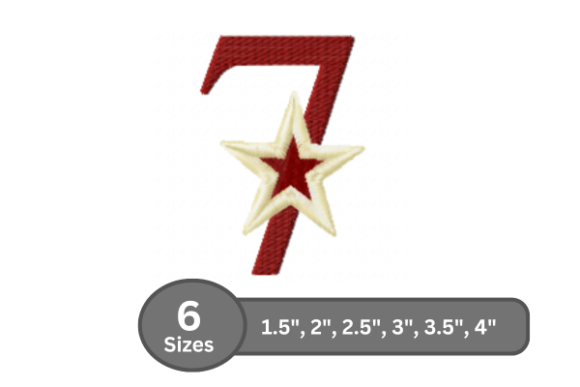
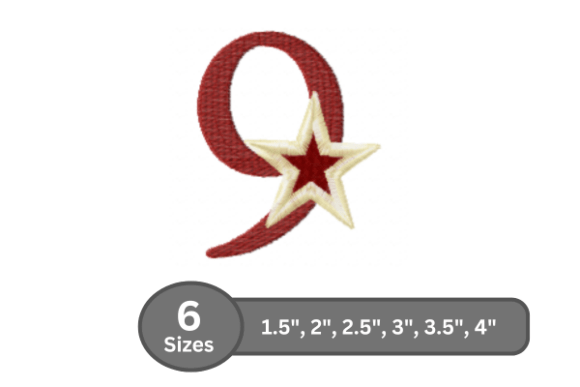
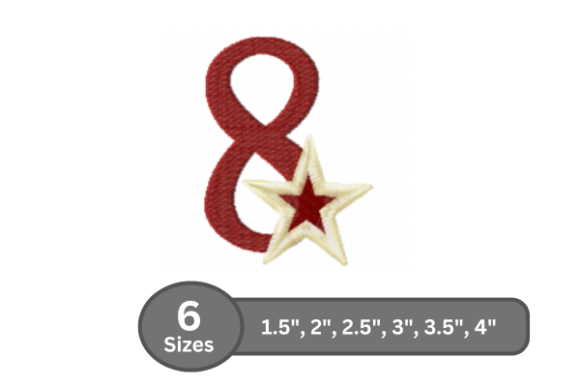
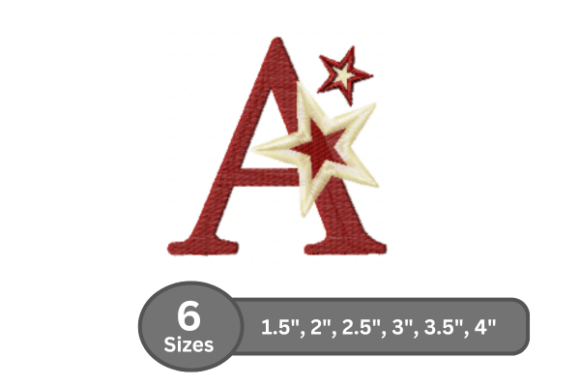
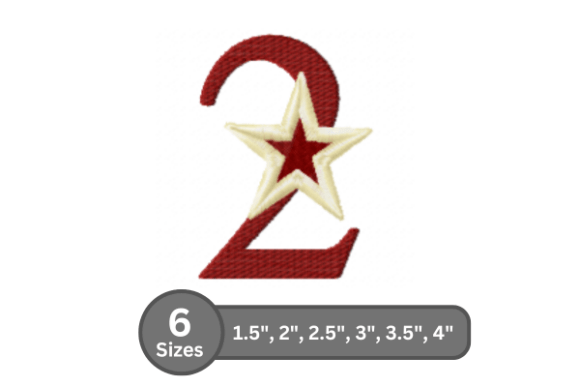
Upon loading the Star Pop Number -2 embroidery file into my software, the immediate impression is one of playful professionalism. While categorized under Wedding Monogram due to its stylish stitched font, this design possesses a versatility that extends far beyond matrimonial events. The "pop" element suggests a boldness that reads well from a distance, which is crucial for retail environments and trade shows. It strikes a balance between handmade charm and clean legibility.
For a creative studio or boutique, this visual personality communicates approachability without sacrificing brand authority. Unlike rigid block fonts that can feel corporate, or overly ornate scripts that are difficult to read at small sizes, Star Pop Number -2 offers a modern, decorative texture. It feels premium yet friendly, making it an excellent candidate for businesses that want to emphasize craftsmanship, such as bakeries, florists, or pet brands. The stitch structure appears designed to maintain integrity even when scaled, which is a significant advantage for multi-use branding.
Performance in Commercial Embroidery Applications
In my experience testing designs for small business merch, functionality dictates success. Here is how Star Pop Number -2 performs across various commercial substrates:
- Embroidered Patches: This is perhaps the strongest use case. The stylish stitched font has enough body to hold a merrowed edge or satin border. When used as a standalone patch for caps or sleeves, the number remains distinct. Because it comes in multiple sizes, you can create matching sets for different patch dimensions without losing detail.
- Apron Embroidery: For cafes and restaurants, numbering aprons helps with order tracking and adds a cohesive team look. The design’s weight sits well on canvas or denim aprons without causing excessive puckering, provided the correct stabilizer is used. It elevates a standard work garment into a branded asset.
- Tote Bag Design: Canvas totes require bold stitching to prevent the design from sinking into the weave. Star Pop Number -2 provides sufficient coverage to stand out against natural cotton fibers. This makes it ideal for limited-edition event merch or customer loyalty gifts.
- Cap Embroidery: Curved surfaces are challenging for detailed fonts. However, because this design avoids microscopic details in favor of a bolder stitched aesthetic, it adapts well to cap fronts. It works particularly well for jersey numbers or establishment dates (e.g., "Est. 2024") where readability is paramount.
Critical Considerations for Production
No digital embroidery file is perfect for every scenario. As a professional, I must highlight where caution is required when using Star Pop Number -2 for commercial projects.
Fabric Texture and Stabilizer Selection
The stylish nature of this font implies a specific stitch density. On high-pile fabrics like terry cloth or fleece, the decorative elements may get lost. You must use a heavy-duty cutaway stabilizer and potentially a water-soluble topping to ensure the stitches remain crisp. Conversely, on lightweight performance wear, the stitch count could cause fabric distortion. Always test on a scrap of the actual production fabric before running a full batch of custom apparel.
Size Limitations and Legibility
While the description notes multiple sizes, there is a floor to how small this design can go while maintaining quality. Decorative stitched fonts often lose definition below certain thresholds. If you intend to use this for tiny collar tags or sleeve cuff accents, verify the minimum recommended size in your embroidery software. Shrinking a complex digitization too aggressively leads to thread breaks and poor registration. For very small applications, consider if a simpler sans-serif might be safer, reserving Star Pop Number -2 for chest logos, back prints, or large patches.
Thread Color Contrast
This design relies on texture for its visual impact. Using a tone-on-tone thread color (e.g., navy thread on a navy shirt) may obscure the stylish details that make this font unique. For maximum brand recognition, opt for high-contrast thread colors. White or metallic threads on dark uniforms allow the stitch direction and pop elements to catch the light, enhancing the perceived value of the finished product.
Impact on Brand Identity and Customer Trust
Typography in embroidery is a direct reflection of brand identity. Inconsistent or poorly executed lettering signals amateurism to customers. Star Pop Number -2 contributes to a cohesive visual language. When a bakery uses this same numbered font on their storefront signage, staff aprons, and packaging stickers, it creates subconscious trust through repetition.
Furthermore, the "handmade" aesthetic inherent in this stylish stitched font aligns perfectly with the values of artisanal businesses. It tells the customer that attention to detail matters here. For Etsy sellers, using a distinctive font like this for product personalization (e.g., "Order #105" or "Table 4") transforms a logistical necessity into a delightful brand touchpoint. It turns a simple number into a piece of decor that encourages social media sharing and buyer engagement.
Professional Designer Notes for Implementation
Before adding Star Pop Number -2 to your commercial library, follow this pre-production checklist to ensure professional results:
- Verify Licensing: Confirm that your purchase includes commercial licensing for business use. Personal licenses do not cover selling embroidered goods or branding a for-profit entity.
- Create Printable Mockups: Before stitching, place the design in a printable mockup alongside your existing logo and brand assets. Ensure the visual weight matches your current design system.
- Test in Black and White: Run a sew-out in black thread on white fabric first. This removes color variables and lets you inspect the stitch path, spacing, and density purely based on structure.
- Check Hoop Size Compatibility: Since the design comes in multiple sizes, map out which hoop size corresponds to which application. Avoid re-hooping mid-design; select a hoop that accommodates the largest version you plan to use regularly.
- Inspect Spacing for Kerning: If combining this number with other text, check the kerning manually. Decorative fonts often have wider side bearings. Adjust spacing in your software to ensure the number doesn't look disconnected from accompanying letters.
- Document Thread Colors: Create a standard operating procedure sheet listing the exact thread colors and stabilizer combinations that work best for this design on your most common garments. Consistency is key for repeat orders.
Final Verdict for Small Business Use
Star Pop Number -2 is a robust addition to any commercial embroidery library, provided it is applied with intention. Its strength lies in its ability to bridge the gap between decorative elegance and functional clarity. For wedding vendors, it serves its primary category beautifully. However, for small business owners, makers, and merch creators, it offers a unique opportunity to inject personality into utilitarian items.
Whether you are marking staff uniforms, creating exclusive event patches, or personalizing handmade products, this design delivers professional results when paired with proper stabilization and thoughtful placement. By treating this embroidery file as a strategic brand asset rather than just a decoration, you maximize both its aesthetic value and its return on investment. Always remember to validate technical specifications against your specific machinery and fabric choices to ensure the final output meets the high standards your customers expect.