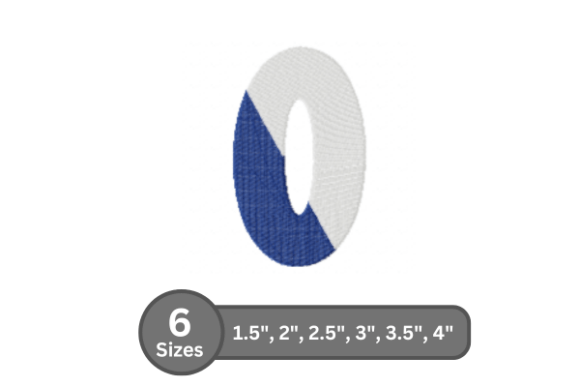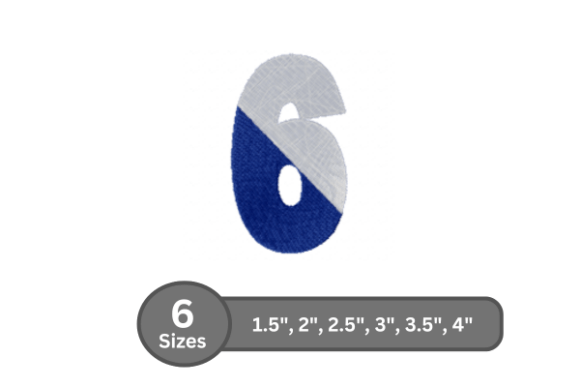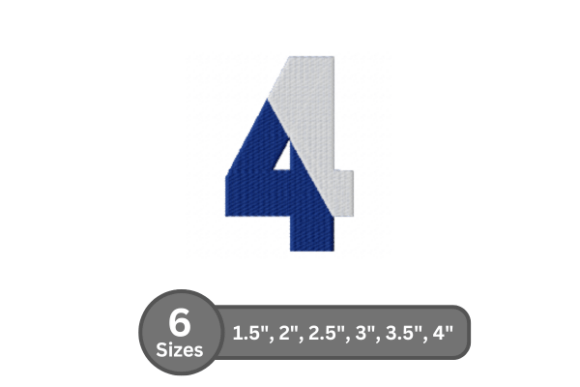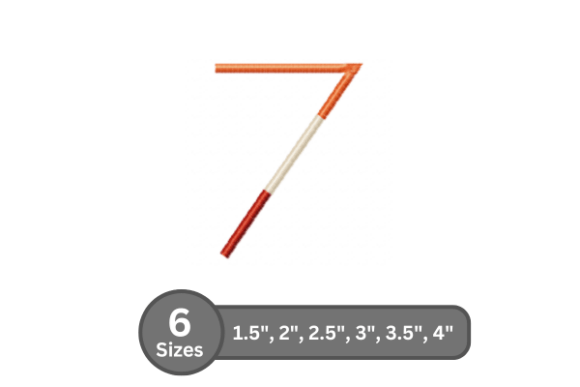
Twin Fill Number -5: A Stitched Review
As an embroidery designer who has spent countless hours behind the machine testing files for client orders, I know that finding the perfect numeric design is often harder than finding a beautiful script font. Numbers need to balance legibility with style, especially when they are meant to commemorate a specific date or age. When I first loaded the Twin Fill Number -5 into my software, I was immediately struck by its visual softness. Unlike blocky athletic numbers or overly ornate Victorian styles that can feel stiff on modern fabrics, this design carries a handmade charm that feels both classic and cozy. It possesses a gentle elegance that makes it exceptionally well-suited for sentimental projects where the emotional value of the gift matters just as much as the technical execution.
Elevating Personalized Gifts with Soft Texture
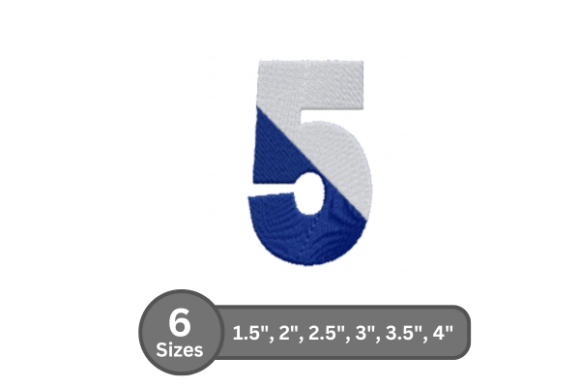
The primary appeal of the Twin Fill Number -5 lies in its stylistic approach to fill stitches. In the world of Creative Fabrica embroidery, we often see digitizers rely on standard satin columns for numerals. While efficient, satin stitches can sometimes look too commercial or flat. This design, however, utilizes a twin fill technique that mimics the texture of hand-stitching or cross-stitch. This creates a tactile quality that invites touch, which is crucial for items like baby embroidery projects or heirloom keepsakes.
When creating a personalized gift, the perceived quality is directly tied to how "handmade" the item feels. A customer ordering a nursery pillow isn't looking for something that resembles a factory-made label; they want artistry. The Twin Fill Number -5 delivers this aesthetic beautifully. Whether you are stitching out a significant year for a wedding gift towel set or adding an age to a toddler’s birthday blanket, the textured fill adds depth and warmth. It transforms a simple digit into a decorative element that enhances the overall narrative of the finished piece.
Real-World Applications for Makers and Sellers
For Etsy seller accounts and small shop owners, versatility is key to maintaining a profitable inventory. I have evaluated this design specifically with high-demand product categories in mind. Here is how the Twin Fill Number -5 performs across various applications:
- Nursery Decor and Blankets: The soft texture prevents the number from becoming a rigid, uncomfortable spot on a plush blanket. It pairs exceptionally well with pastel thread colors and organic cotton fabrics.
- Wedding and Anniversary Linens: When embroidered on terry cloth towels or linen pillow covers, the fill stitch provides enough coverage to stand out against textured fabrics without causing puckering.
- Custom Apparel and Totes: For canvas tote bags or denim aprons, the design offers a vintage-inspired look that appeals to buyers seeking rustic or cottage-core aesthetics.
- Digital Product Listings: Because the design has such distinct character, it photographs beautifully. Using a printable mockup featuring this number can significantly increase click-through rates for custom listing previews.
If you are running a commercial embroidery business, having a reliable numeric set that works across these diverse substrates saves time on sourcing. You do not need to switch between five different number fonts depending on whether the client wants a modern or vintage vibe; this single style bridges that gap effectively.
Technical Considerations for Flawless Stitch-Outs
While the aesthetic of the Twin Fill Number -5 is delightful, practical execution requires attention to detail. As with any machine embroidery design, your success depends on matching the file to your materials. Because this design uses a specialized fill pattern, stitch density becomes a critical factor. Fill stitches generally require more penetration than satin stitches, meaning your stabilizer choice must be robust enough to prevent distortion but appropriate enough to avoid bulk.
When working on stretchy baby clothes or knit fabrics, I strongly recommend using a cut-away stabilizer rather than tear-away. The twin fill structure needs permanent support to maintain its shape after washing. Conversely, if you are embroidering an embroidered towel, ensure you use a water-soluble topping to keep the pile from poking through the intricate fill details. Without a topping, the beautiful texture of the number can get lost in the terry loops, reducing legibility and impact.
Thread color contrast also plays a massive role here. Because the design relies on texture rather than bold outlines, low-contrast threads (like white on cream) will highlight the stitching pattern itself, creating a subtle, tone-on-tone luxury effect. High-contrast threads (like navy on white) will make the number pop but may flatten the visual texture slightly. Always run a test stitch-out on a scrap of your actual project fabric before committing to the final hoop size and placement. This step is non-negotiable for professional results.
Building Customer Trust Through Quality Details
In the handmade marketplace, trust is built through consistency and presentation. When a buyer receives a finished product featuring the Twin Fill Number -5, they should see clean edges, consistent tension, and intentional design choices. Sloppy registration or poor stabilizer management can make even the most beautiful digital embroidery file look amateurish.
I advise fellow makers to treat this design as a premium component of your catalog. When photographing your work for social media or shop listings, zoom in on the number. Show potential buyers the texture. Explain in your product description that you chose this specific stitched font for its durability and heirloom quality. This educates the buyer and justifies a higher price point for your small shop product. Furthermore, always verify the licensing terms on Creative Fabrica before selling. Ensuring you have the correct commercial rights for physical products protects your business and respects the digitizer's work.
Essential Pre-Stitch Checklist
Before you hoop up your fabric for a client order involving the Twin Fill Number -5, run through this quick evaluation to ensure the best possible outcome:
- Verify File Compatibility: Confirm that the specific embroidery file format matches your machine and that the size selected fits your hoop with adequate margin for movement.
- Test on Similar Fabric: Never assume a setting that worked on cotton will work on minky or linen. Test the tension and density on a swatch first.
- Check Thread Colors: Ensure your top thread and bobbin thread are balanced. Fill stitches can sometimes show bobbin thread at the edges if tension is off.
- Review Stabilizer Pairing: Match the stabilizer weight to the fabric texture and the density of the twin fill.
- Inspect Small Details: After the test run, check the corners and curves of the number 5. These areas are prone to gaps or bunching in fill designs.
The Twin Fill Number -5 is more than just a utility asset; it is a design tool that brings warmth and intentionality to your embroidery portfolio. By understanding its unique textural properties and respecting the technical requirements of fill stitches, you can create custom embroidery pieces that resonate deeply with recipients. Whether you are crafting a one-of-a-kind anniversary keepsake or building a line of best-selling nursery goods, this design offers the perfect blend of artistic flair and functional reliability that today’s handmade market demands.