Anchor Split Name Frame: A Business Merch Review
As an embroidery designer who regularly consults with small businesses on branded merchandise, I approach every new machine embroidery design with a critical eye toward production viability and brand alignment. The Anchor Split Name Frame immediately catches my attention not just as a nautical motif, but as a versatile structural asset for commercial branding. When evaluating this design for business use, my first impression is one of balanced utility. It strikes a specific tone that feels both classic and approachable, making it suitable for coastal boutiques, seafood restaurants, marina services, and handmade brands that want to evoke a sense of heritage or relaxation without appearing overly cartoonish.
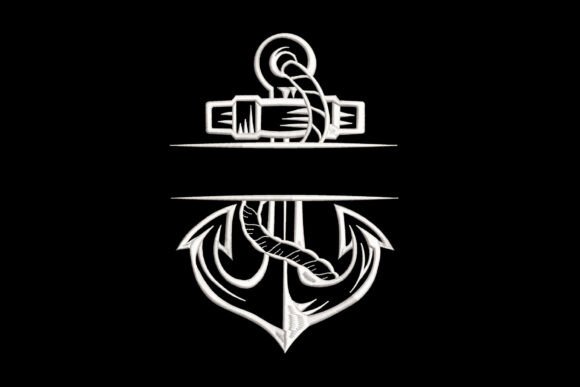
The defining feature of this embroidery file is the intentional negative space within the anchor structure. From a design perspective, this split layout is brilliant for customization because it integrates text directly into the graphic rather than simply placing words above or below it. This integration creates a cohesive logo lockup that looks professional and intentional. For a small business owner, this means the design functions as a complete brand mark rather than just a decorative clip-art element. Whether you are running a beachside café, a pet grooming salon with a nautical theme, or a creative studio looking for a unique identifier, this frame offers a sophisticated container for your business name, establishment date, or location tagline.
Commercial Applications for Branded Merchandise
In real-world commercial embroidery scenarios, the Anchor Split Name Frame demonstrates significant versatility across various product categories. For hospitality businesses like cafés and bakeries, this design translates exceptionally well to apron embroidery. The central text area allows staff names or roles to be stitched clearly, while the anchor provides a thematic backdrop that reinforces the venue's atmosphere. Unlike generic name tags, this integrated design elevates the perceived value of the uniform and contributes to a polished customer experience.
For retail and Etsy sellers, this design serves as an excellent foundation for tote bag design and packaging accents. Canvas totes are a staple for small business merch, and the anchor frame provides enough visual weight to stand out on natural cotton fabrics while leaving room for promotional messaging. I have also found this style particularly effective for cap embroidery. Curved surfaces can be challenging, but because the anchor splits to accommodate text, the overall footprint remains compact enough for hat fronts without distorting the brim curvature. This makes it ideal for outdoor vendors, tour operators, and lifestyle brands needing wearable advertising.
Furthermore, this design works beautifully as an embroidered patch for product labeling. Handmade product creators often struggle with branding that feels authentic yet legible. Stitching this frame onto leather tags, denim jackets, or canvas pouches creates a premium tactile experience that printed labels cannot replicate. The ability to customize the center text means you can use the same base digital embroidery file across multiple product lines, changing only the inner text to denote collection names, sizes, or limited edition numbers. This consistency in design assets streamlines production while maintaining strong brand identity.
Technical Considerations and Production Limits
While the Anchor Split Name Frame is aesthetically pleasing, successful implementation requires careful technical planning. As with any custom apparel project, understanding the relationship between the design and the substrate is crucial. One primary concern is stitch density. Anchors typically involve satin stitch columns and fill areas; when combined with custom text, the total stitch count can increase significantly. If you are embroidering on lightweight knits or performance wear, excessive density can cause puckering or fabric damage. Always test the design on a scrap of your actual garment material before committing to bulk production.
Sizing is another critical factor. While the description notes suitability for monograms and dates, business owners must verify the minimum readable size for their specific font choice. Tiny lettering inside an anchor frame can become illegible if scaled down too aggressively for sleeve cuffs or collar points. I recommend keeping text height above 4mm to ensure clarity after washing. Additionally, consider the hoop size required for your largest intended application. If you plan to use this on large tote bags but also need it for small chest logos, you may need to resize or re-digitize elements to maintain proper stitch angles and registration at different scales.
Fabric texture plays a massive role in the final outcome. On smooth cotton or twill, the Anchor Split Name Frame will look crisp and defined. However, on textured fabrics like terry cloth, fleece, or open-weave linen, the fine details of the anchor and text may get lost. In these cases, using a water-soluble topping stabilizer is non-negotiable to prevent stitches from sinking into the pile. Dark uniforms present another challenge; ensure high contrast between the anchor outline and the text color. White text on a navy anchor reads clearly, but tonal stitching (e.g., light blue on dark blue) often fails to communicate the brand message effectively in low-light environments.
Strategic Branding and Designer Best Practices
Beyond technical execution, the Anchor Split Name Frame impacts how customers perceive your business. A well-executed embroidered logo signals permanence and quality. When a florist or boutique uses this design, it suggests an attention to detail that transfers to the customer’s perception of the products themselves. Visual consistency across touchpoints—from staff uniforms to shopping bags—builds trust and recognition. This design facilitates that consistency by providing a flexible template that adapts to different contexts without losing its core identity.
To maximize success, I advise following a rigorous testing protocol. Before running a full production batch, create a printable mockup to visualize placement and scale relative to the garment seams and pockets. Then, stitch a physical sample in black and white thread first. This removes color bias and forces you to evaluate the design purely on structural merit and readability. Check the spacing between the anchor elements and the custom text; there should be adequate breathing room to prevent the design from looking cluttered.
Always confirm the licensing terms of your embroidery file before selling finished goods. While many designs allow for physical product sales, some restrict digital redistribution or mass manufacturing. Verify that your purchase includes commercial rights for the specific volume of finished product you intend to produce. Finally, compare this anchor frame beside your other existing brand assets. Does the line weight match your current typography? Is the stylistic era consistent? Ensuring this new addition harmonizes with your established visual language prevents brand fragmentation.
The Anchor Split Name Frame represents a smart investment for businesses seeking a blend of thematic charm and functional branding. By respecting technical limitations regarding density, sizing, and stabilization, and by leveraging its customizable nature strategically, small business owners can transform this single design file into a comprehensive merchandising system. Whether applied to a barista’s apron, a tourist shop’s canvas tote, or a maker’s signature label, it delivers the professional polish necessary to compete in today’s handmade and boutique markets. Remember that great embroidery is equal parts art and engineering; treat this design with the technical diligence it deserves, and it will serve as a durable ambassador for your brand.