Knockdown Stitch Backgrounds for Etsy Sales
As an embroidery business owner constantly scouting for versatile assets, I evaluate every Creative Fabrica embroidery purchase through a strict commercial lens. When I came across Knockdown Stitch Backgrounds, my immediate thought was not just about aesthetics, but about solving one of the most persistent technical challenges in our industry: stitching on high-pile fabrics. For any Etsy seller or small shop owner dealing with towels, fleece, or faux fur, this machine embroidery design represents a critical tool for expanding product lines while maintaining professional quality.
Solving the High-Pile Fabric Challenge
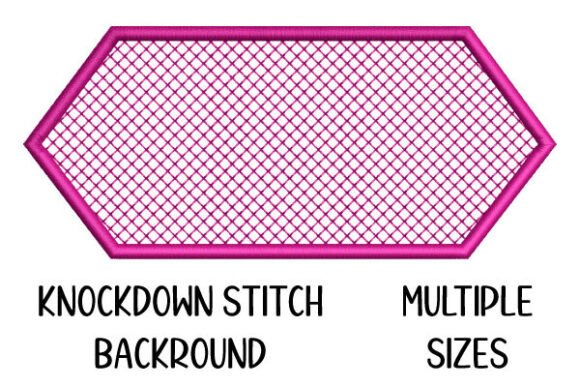
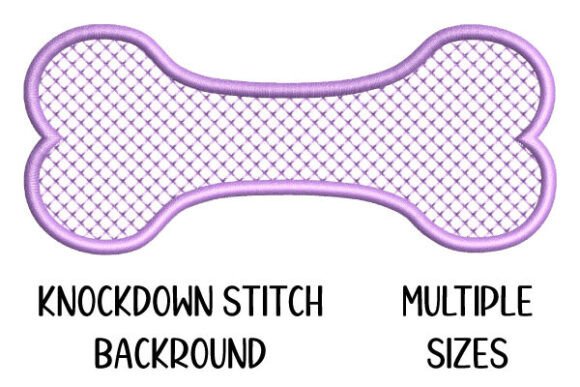
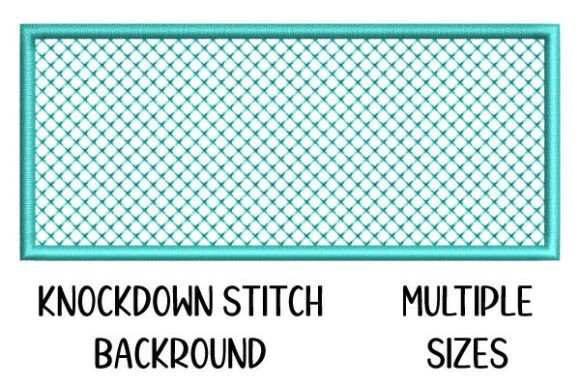
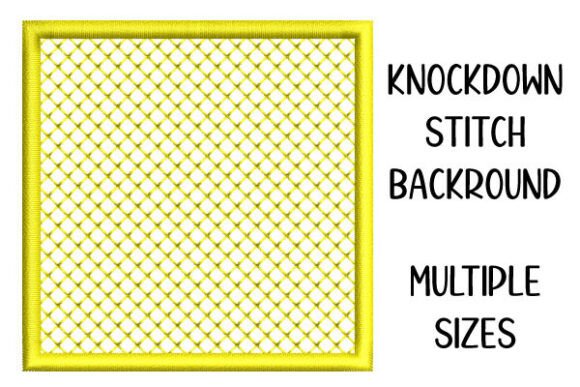
The primary value proposition of Knockdown Stitch Backgrounds is functional before it is decorative. In my experience running a craft business, customers often request personalization on textured items like terry cloth bath towels, plush baby blankets, or fuzzy sweatshirts. Without a proper foundation, stitches sink into the pile, resulting in poor readability and a messy appearance that leads to returns or negative reviews. These backgrounds are specifically engineered to flatten those fibers, creating a smooth surface area for subsequent lettering or logos.
From a production standpoint, this embroidery file acts as insurance for your finished product. It allows you to confidently accept orders for difficult substrates that you might otherwise avoid. Whether you are creating kitchen towel embroidery for a bridal gift or baby embroidery on a minky blanket, the knockdown layer ensures the design sits on top of the fabric rather than getting lost within it. This technical reliability is what separates hobbyist output from premium commercial goods.
Commercial Applications Across Product Categories
When planning my seasonal collections, I look for assets that offer cross-category utility. Knockdown Stitch Backgrounds are exceptionally versatile because they serve as a neutral canvas. They do not dictate a specific niche; instead, they adapt to whatever merchandise you are currently prioritizing. Here is how I envision integrating this design type into various revenue streams:
- Custom Apparel: For sweatshirt embroidery or hoodies, a knockdown background provides a crisp contrast against brushed fleece, making monograms pop even on dark, textured garments.
- Home Decor: Kitchen towel embroidery is a staple for many sellers. Using these backgrounds allows for intricate fonts on terry cloth without the risk of stitch distortion.
- Accessories: A tote bag design featuring canvas or textured linen benefits from the stabilization these backgrounds provide, ensuring clean edges for patches or appliqué.
- Nursery Items: Baby embroidery on plush toys or security blankets requires a gentle but effective hold-down stitch to prevent irritation while maintaining visual clarity.
- Patches and Badges: Creating an embroidered patch directly onto felt or wool becomes significantly easier when the base layer is uniform and flat.
This adaptability makes the digital embroidery file a high-ROI asset. Instead of buying separate designs for towels, blankets, and apparel, one set of knockdown backgrounds can support your entire catalog of personalized gift options.
Elevating Perceived Value and Giftable Appeal
In the competitive landscape of online marketplaces, presentation is everything. Buyers judge the quality of a handmade product within seconds of viewing a listing photo. Designs stitched on high-pile fabrics without a knockdown layer often look amateurish in thumbnails because the texture of the fabric competes with the thread. By using Knockdown Stitch Backgrounds, you create a defined visual zone that guides the customer’s eye directly to the personalization.
This professional finish directly impacts the "giftable" nature of your items. A monogrammed towel looks like a thoughtful, boutique-quality present when the letters are perfectly formed and raised above the nap. Conversely, sunken stitches suggest mass production or lack of expertise. For sellers focusing on weddings, baby showers, or corporate gifting, this distinction justifies higher price points. The background effectively frames your work, signaling to the buyer that you understand fabric mechanics and have invested in superior commercial embroidery techniques.
Streamlining Mockups and Social Media Marketing
Beyond the physical stitch-out, these backgrounds simplify the digital side of selling. When creating a printable mockup or editing product photography, having a consistent base layer makes color swapping and visualization much faster. Because the knockdown stitch creates a predictable texture, it is easier to overlay different font colors or names in post-production software for social media previews.
For Instagram or Pinterest marketing, close-up shots of texture perform well. The contrast between the flattened knockdown area and the surrounding fluffy fabric creates satisfying visual depth. This tactile appeal translates well to video content as well, where you can demonstrate the "before and after" effect of the stitch. Highlighting this technical detail in your listings can also serve as an educational selling point, reassuring customers that their custom apparel or home goods are made with specialized care.
Essential Seller Notes for Production Success
While Knockdown Stitch Backgrounds are invaluable, they require careful implementation. As with any new embroidery file, never list a product based solely on the digital preview. You must validate the design's performance on your specific equipment and materials. Before adding these to your shop, please consider the following practical steps:
- Verify Licensing: Always check the specific license terms on the Creative Fabrica product page. Ensure you have the rights to use the design for commercial embroidery on finished goods sold in your shop.
- Test Stitch Density: Knockdown stitches vary in density. Some are sparse to preserve fabric softness, while others are dense for maximum flattening. Test the stitch density on scrap fabric to ensure it doesn’t cause puckering or needle breaks.
- Confirm Hoop Size Compatibility: Review the dimensions listed in the file description. Ensure the background fits your available hoop size with adequate margin for your intended project.
- Stabilizer Pairing: Even with a knockdown stitch, proper stabilizer choice is non-negotiable. Test different combinations of cut-away or tear-away stabilizers to see which supports the background best on high-pile textiles.
- Thread Color Strategy: Decide whether to match the knockdown thread to the fabric (for invisibility) or to the design thread (for framing). Both approaches work, but they yield different aesthetic results. Document your preferred thread colors for future reorders.
- Sample First: Create a physical sample stitch-out before listing. Photograph it on real fabric to confirm readability at thumbnail size. If the background shows through too aggressively or fails to flatten the pile sufficiently, adjust your tension or try a different variant from the pack.
Final Thoughts for Creative Entrepreneurs
Integrating Knockdown Stitch Backgrounds into your workflow is a strategic move for any serious Etsy seller or boutique owner. It bridges the gap between creative ambition and technical limitation, allowing you to say "yes" to more complex custom orders. By ensuring your embroidery looks crisp on challenging fabrics, you protect your brand reputation and enhance the unboxing experience for your customers.
Remember to treat this machine embroidery design as a foundational element of your production process. Validate the specs on the Creative Fabrica product page, run your tests, and then leverage the professional finish to differentiate your handmade product listings. In a market saturated with generic goods, superior craftsmanship on difficult materials is exactly what builds a loyal customer base and sustainable growth for your small business.