Rectangular Knockdown Stitch Background Review
As an embroidery designer preparing a limited capsule collection for a boutique brand, I am constantly evaluating how digital assets translate to physical garments. The foundation of any successful sweatshirt or hoodie design lies not just in the motif itself, but in how that motif interacts with the fabric. When reviewing this Rectangular Knockdown Stitch Background, my primary focus was its utility as a stabilizing base for high-pile fabrics. For small clothing brands and Etsy sellers, the difference between a puckered mess and a premium retail finish often comes down to this specific type of underlay. This review breaks down my technical assessment and creative application of this machine embroidery design for commercial apparel use.
First Impressions: Clean Utility Over Decoration
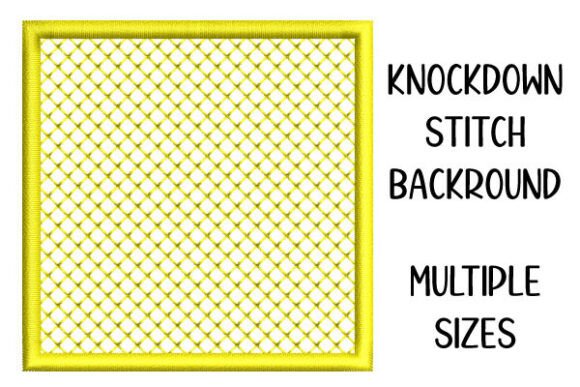
My initial evaluation of this rectangular knockdown stitch background reveals a design that prioritizes function without sacrificing aesthetic intention. Unlike decorative backgrounds that compete with foreground elements, this design serves as a silent structural hero. The mood is distinctly minimal and modern, offering a crisp geometric boundary that feels intentional rather than accidental. For a boutique brand focusing on neutral sweatshirts or cozy seasonal apparel, this clean base suggests professionalism. It does not scream "craft project"; instead, it whispers "curated collection."
The stitching personality here is utilitarian yet refined. It lacks the chaotic density of a fill stitch, which is exactly what you want when working with fleece or terry cloth. Visually, it creates a flattened canvas that allows thread colors to pop against textured fabrics. Whether applied to dark fabric for high contrast or pastel colors for a soft, feminine touch, the rectangular shape provides a necessary frame. It transforms the embroidery from a floating element into an integrated part of the garment’s architecture, essential for achieving that high-end handmade product look.
Technical Performance on Fluffy Fabrics
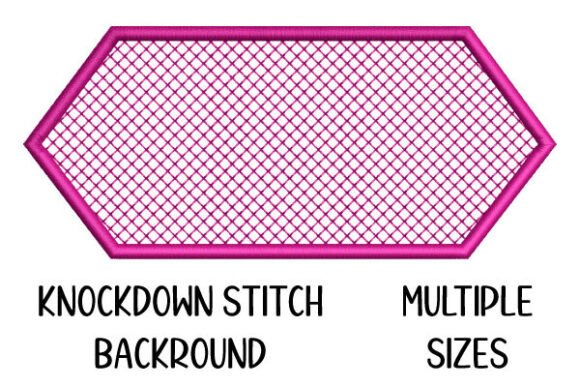
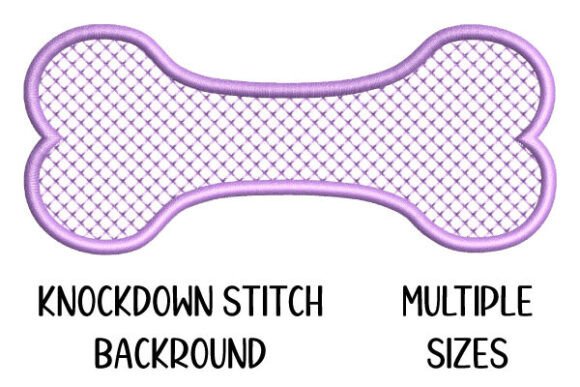
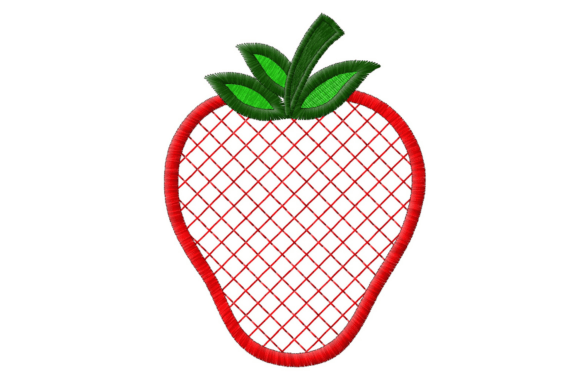
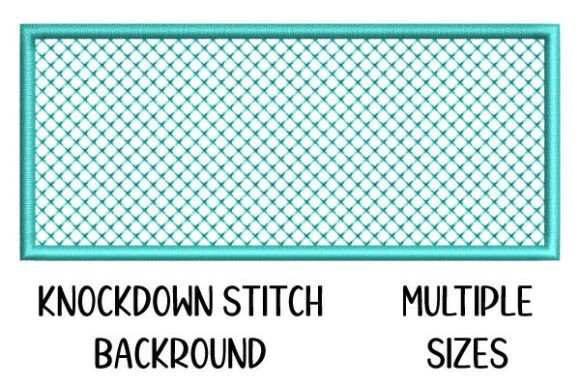
The true test of any embroidery file designed for towels and fleece is its ability to manage fabric texture without adding excessive bulk. In my experience with sweatshirt embroidery, standard tear-away stabilizer often fails to prevent the plush nap from pushing through satin stitches. This rectangular knockdown stitch background addresses that issue directly. By laying down a sparse, wide-stitch grid before the main design, it permanently suppresses the pile within the designated area.
For commercial embroidery on oversized hoodies, stitch density is a critical concern. Heavy designs cause drag and distortion. This background maintains a low profile, ensuring the finished product remains soft and wearable. However, designers must still verify the specific stitch count and hoop size compatibility before production. While the description notes availability in many sizes, matching the correct dimension to your specific garment placement is vital. A background that is too large for your hoop will require re-hooping or resizing, potentially altering the stitch integrity. Always pair this digital embroidery file with appropriate cut-away stabilizer for stretch knits to ensure washing durability and long-term shape retention.
Strategic Placement for Boutique Apparel
Versatility is key for small shop products where inventory turnover matters. This rectangular shape offers distinct advantages over circular or organic shapes for custom apparel branding. On a crewneck sweatshirt, center-chest placement using this background creates a bold, collegiate, or rustic vibe depending on the font choice inside the rectangle. For an oversized hoodie design, consider placing the rectangle on the sleeve cuff or vertically along the side seam for a contemporary streetwear aesthetic.
I also see strong potential for back designs. A larger version of this rectangular knockdown stitch background can anchor a substantial phrase or graphic on the reverse of a jacket, preventing the design from getting lost in the fabric's fold lines. For Etsy sellers creating personalized items, this shape acts as a reliable container for variable-length names. It standardizes the visual footprint of custom apparel, making listing photography consistent. When customers browse your shop, seeing uniform, clean backgrounds across different listings builds buyer trust and reinforces brand identity. It signals that you have mastered the technical challenges of embroidering on difficult textiles.
Elevating Product Value and Presentation
In the competitive landscape of digital sellers and creative entrepreneurs, perceived value drives sales. A monogram embroidered directly onto thick fleece often looks sunken and amateurish. By utilizing this background, you elevate the tactile quality of the work. The raised platform effect created by the knockdown stitch adds a layer of dimensional luxury that customers can feel. This tangible quality justifies higher price points for boutique merchandise.
Furthermore, this design asset significantly improves your marketing workflow. Because the rectangle provides a defined edge, creating printable mockups becomes easier and more accurate. Lifestyle product photography benefits immensely as well; the clean lines of the background help autofocus systems lock onto the design, resulting in sharper images for social media. For those selling the physical finished product, this attention to detail reduces return rates caused by poor embroidery quality. It demonstrates that you understand the interplay between design assets and material constraints.
Designer Considerations for Production Success
While this rectangular knockdown stitch background is a robust tool, successful implementation requires mindful preparation. Thread color contrast plays a massive role in visibility. On dark fabrics, using a tone-on-tone thread for the background creates a subtle, embossed texture that feels incredibly premium. Conversely, using a contrasting thread turns the rectangle into a graphic element in its own right. Test both approaches on scrap fabric before committing to a full production run.
Stabilizer choice cannot be overstated. Even with a knockdown stitch, heavy fleece requires adequate support. I recommend a medium-weight cut-away stabilizer for sweatshirts to prevent tunneling around the rectangle’s perimeter. For towels, a water-soluble topping combined with this background ensures no loops escape the stitching field. Additionally, check the small-size readability if you are downsizing the file. Knockdown stitches rely on specific spacing to function; reducing the size too drastically may cause the stitches to overlap and create a solid patch rather than a mesh base. Always consult the digitizer’s notes regarding minimum sizes to preserve the design's mechanical integrity.
Final Verdict for Creative Entrepreneurs
After thorough evaluation, I view this rectangular knockdown stitch background as an essential utility for anyone serious about apparel decoration. It solves the most common pain point in sweatshirt embroidery—fabric interference—while providing a stylish, structured aesthetic. It bridges the gap between functional stabilization and deliberate design. For handmade business owners looking to expand their offerings into cozy wear or home textiles, this file offers a reliable foundation.
Whether you are launching a seasonal drop or refining your evergreen collection, incorporating specialized backgrounds like this one distinguishes your work from generic competitors. It shows respect for the craft and the customer’s investment. Just remember to validate your hoop size, stabilize appropriately, and test your thread combinations. With those practical steps secured, this design is poised to become a staple in your commercial embroidery library, helping you deliver professional, durable, and visually striking results every time.