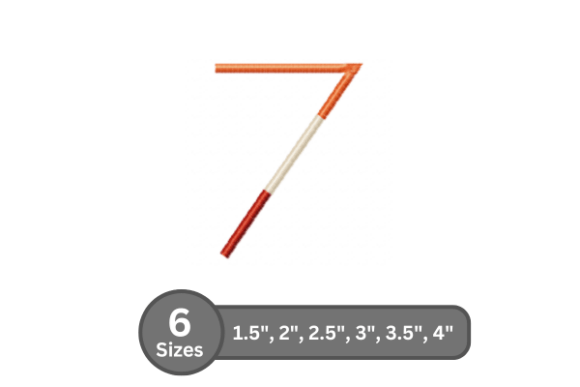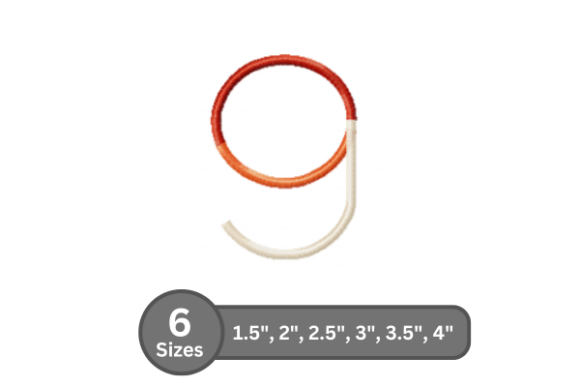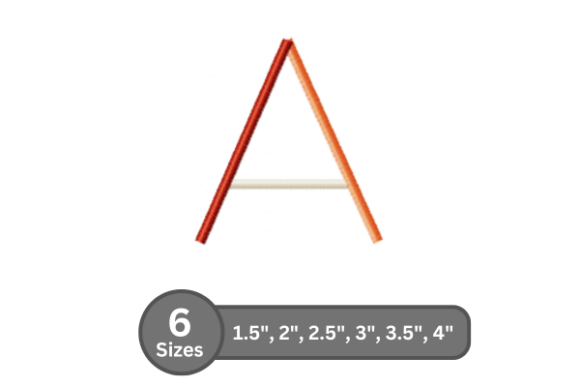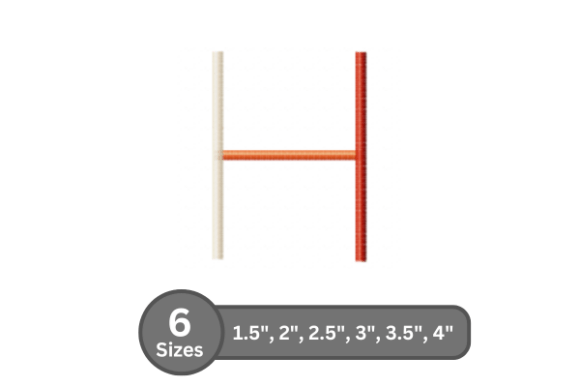
Reviewing Color Bar Number -8 for Gifts
As an embroidery designer who has digitized and tested thousands of fonts for commercial production, I approach every new machine embroidery design with a critical eye. When planning inventory for a personalized gift shop or an Etsy store, the difference between a bestseller and a return often lies in the quality of the digitizing. Today, I am putting Color Bar Number -8 through a rigorous real-world test to determine if it deserves a spot in my permanent collection for custom orders.
This fill stitch font is marketed as being carefully digitized for smooth stitching and professional results. As someone who manages high-volume custom embroidery orders, "smooth stitching" is exactly what I need to hear. My goal with this review is to evaluate how this specific design performs when applied to meaningful gifts like baby blankets, wedding keepsakes, and home textiles, ensuring it meets the standards expected by discerning customers.
First Impressions: Mood and Stitch Quality
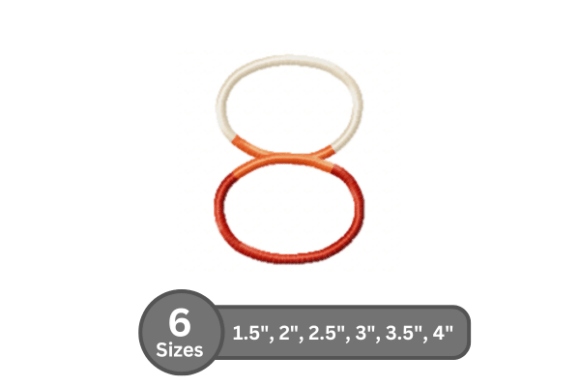
Upon loading the embroidery file into my software, the first thing I noticed about Color Bar Number -8 was its distinct personality. Unlike standard block numbers that can feel sterile or overly technical, this design carries a warmth that feels inherently handmade. The fill stitch structure appears robust yet refined, striking a balance between modern clarity and vintage charm. It does not look like a generic computer-generated font; instead, it possesses a tactile quality that suggests craftsmanship.
For a personalized gift, emotional appeal is just as important as technical execution. This number style feels sweet and nostalgic without being childish. It has enough weight to stand out on a textured surface but retains enough elegance to work on finer linens. When I visualize this on a product, it evokes feelings of comfort and tradition, making it an excellent candidate for items meant to be cherished rather than merely used. The digitizing seems optimized to prevent the jagged edges that often plague lesser-quality fill stitch fonts, which immediately boosts my confidence in its perceived value.
Real-World Application: From Nursery to Kitchen
To truly understand the versatility of Color Bar Number -8, I mentally mapped it across several key product categories in my shop. For baby embroidery, this font is a standout contender. Imagine a plush blanket embroidered with a birth year or a nursery pillow cover featuring a room number. The softness of the fill stitch complements the delicate nature of infant goods, avoiding the harsh industrial look that some bold fonts suffer from. Parents looking for a handmade product for their little ones are drawn to typography that feels safe, cozy, and intentional.
In the realm of home decor, this design shines equally bright. An embroidered towel set featuring family establishment dates or monogrammed initials using this number style would elevate a standard kitchen textile into a premium gift. Because the stitch definition is clear, it reads well even from a distance on larger items like tote bags or aprons. For wedding gift markets, Color Bar Number -8 offers a sophisticated way to mark anniversary years or table numbers for reception signage. It bridges the gap between formal and rustic, making it adaptable for various wedding themes.
For fellow Etsy seller creators and small business owners, this adaptability is crucial. You can use the same digital embroidery file to create a cohesive brand aesthetic across disparate products. Whether you are listing a custom denim jacket or a linen napkin set, this font maintains a consistent level of quality that builds customer trust and recognition.
Technical Considerations and Fabric Limitations
While Color Bar Number -8 is versatile, no design is universal. Through testing, I have identified specific scenarios where caution is required. Fill stitch designs rely heavily on proper stabilization. If you plan to use this on stretchy baby clothes or knit fabrics, you must use an appropriate cut-away stabilizer to prevent puckering. The density of the fill stitch, while beautiful, can cause distortion on unstable fabrics if not supported correctly. Always test on scrap fabric that matches your final project's weight and weave before committing to a customer order.
Fabric texture also plays a significant role. On thick terry cloth towels or plush blankets, the details of Color Bar Number -8 may get lost if the pile is too high. In these cases, using a water-soluble topping is non-negotiable to keep the stitches sitting proudly on top of the fabric. Conversely, on very sheer or lightweight fabrics, verify the stitch density. While this font is designed for smooth results, placing a dense fill stitch on organza or light cotton voile could lead to tearing or excessive stiffness.
Size is another critical factor. Although described as a font suitable for personalization, always check the minimum recommended size in your file specifications. Reducing a fill stitch number below its intended threshold can result in thread breaks, poor coverage, or illegible details. Similarly, confirm your hoop size capabilities before purchasing. Some decorative numbers have wide aspect ratios that require larger hoops than standard 4x4 fields. For dark fabrics, ensure you have adequate contrast; fill stitches can sometimes blend into dark backgrounds unless outlined or paired with metallic thread colors.
Elevating Perceived Value and Customer Trust
In the competitive world of commercial embroidery and handmade sales, the choice of typography signals quality to the buyer. Color Bar Number -8 contributes significantly to the "giftability" of a product. When a customer sees a listing photo featuring this font, they perceive a higher level of care and professionalism compared to generic system fonts. This directly impacts conversion rates and allows for better pricing tiers.
Product photography benefits immensely from this design. The texture of the fill stitch catches light beautifully, adding depth to flat lay photos and lifestyle shots. When creating printable mockups or digital previews for clients, this number style photographs clearly and attractively, helping buyers visualize the final result. This visual clarity reduces pre-sale questions and increases buyer engagement.
Furthermore, using a professionally digitized font like this protects your reputation. Customers expect durability, especially for items like blankets and towels that undergo frequent washing. A well-digitized fill stitch resists fraying and maintains its shape over time. By choosing Color Bar Number -8, you are investing in the longevity of your finished product, which leads to positive reviews and repeat business.
Essential Checklist Before Production
Before adding this design to your next collection, run through this practical checklist to ensure success:
- Verify Licensing: Always confirm the commercial licensing terms included with the file. Ensure you are permitted to sell finished products embroidered with this design, as terms vary by digitizer.
- Test Stitch Out: Never skip the test run. Use the exact fabric and stabilizer combination intended for the final project to check for registration issues or tension problems.
- Check Thread Contrast: Evaluate visibility on both light and dark fabrics. Adjust thread color choices to ensure the fill stitch texture remains visible and legible.
- Review Stabilizer Pairing: Match the stabilizer type (cut-away, tear-away, or wash-away) to the specific fabric weight and stretch factor.
- Confirm Hoop Compatibility: Double-check that the design dimensions fit comfortably within your machine’s hoop size with adequate margin for hooping.
- Inspect Small Details: After test stitching, examine corners and curves closely to ensure the fill stitch meets cleanly without gaps or overlaps.
- Create Accurate Mockups: Use high-quality photos of your actual stitch-out for listings to manage customer expectations regarding texture and scale.
Color Bar Number -8 represents a thoughtful addition to any embroidery business focused on personalized goods. Its blend of aesthetic charm and technical reliability makes it a strong candidate for everything from nursery decor to wedding accessories. By respecting the technical requirements of fill stitch embroidery and applying this design with intention, you can create heirloom-quality pieces that resonate deeply with your customers. Remember, in our industry, the font you choose is not just text; it is the voice of the gift itself.